
Introduction
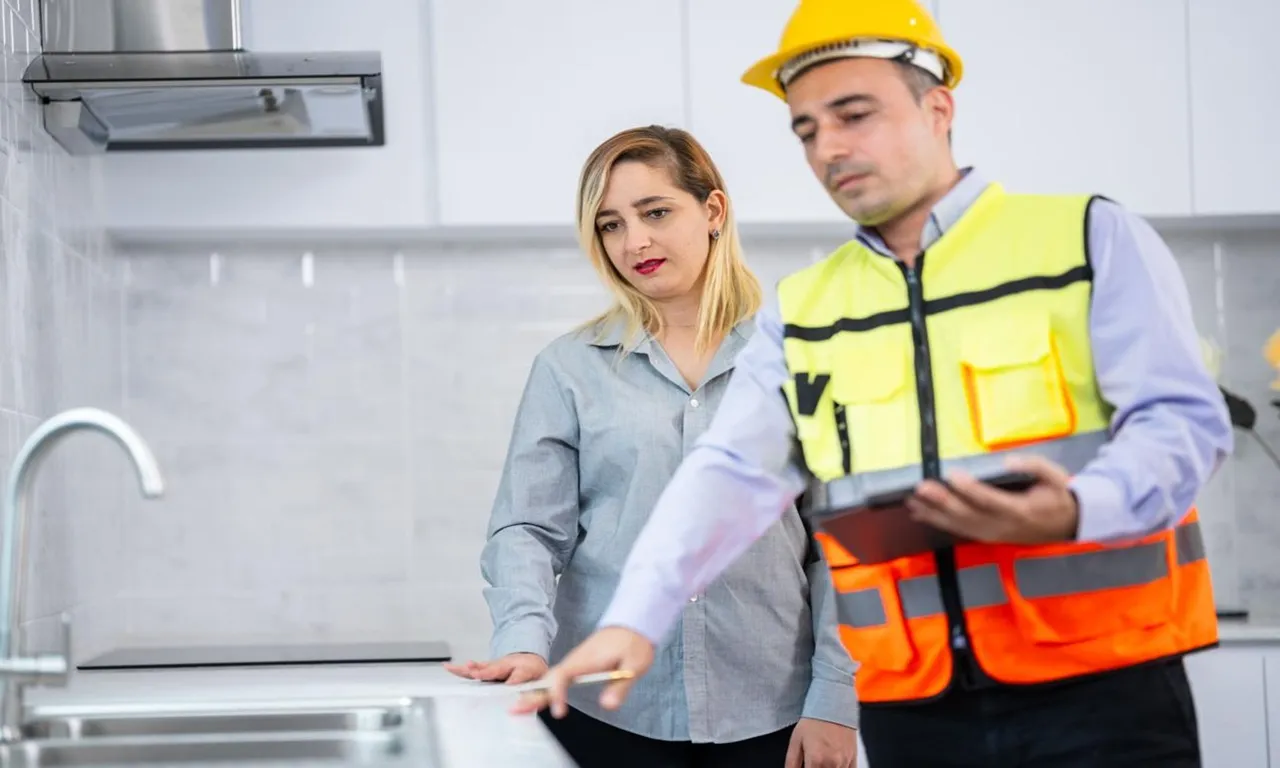
Home buying with property inspection support is an essential part of purchasing a home because it helps buyers identify hidden problems before completing the transaction. While a property may appear attractive during a showing, underlying issues such as structural damage, roofing defects, plumbing leaks, electrical hazards, HVAC failures, and foundation problems can result in costly repairs after closing. A professional property inspection provides valuable insights into the home’s condition, allowing buyers to negotiate repairs, request seller concessions, or reconsider their investment if necessary. Understanding home buying with property inspection support empowers buyers to make informed decisions, reduce financial risks, and purchase a home with greater confidence, security, and long-term peace of mind.
Understanding Home Buying With Property Inspection Support Basics
Home buying with property inspection support involves hiring a qualified home inspector to evaluate the overall condition of a property before finalizing the purchase. The inspection examines structural components, roofing, plumbing, electrical systems, heating, cooling equipment, insulation, windows, and safety features. Buyers receive a detailed inspection report highlighting existing defects and potential maintenance concerns. Understanding inspection findings helps buyers negotiate repairs, estimate future maintenance expenses, and make confident purchasing decisions while minimizing financial risks associated with hidden property defects.
Why Property Inspections Matter Before Buying Homes
Property inspections play a critical role in home buying with property inspection support because they uncover issues that are often invisible during standard home tours. Hidden plumbing leaks, electrical hazards, roof deterioration, mold growth, foundation cracks, and HVAC problems may require expensive repairs after closing. Professional inspections help buyers understand the property’s true condition before making a financial commitment. Identifying these concerns early strengthens negotiation opportunities while protecting buyers from unexpected repair costs and long-term financial burdens.
Understanding The Complete Home Inspection Process
The home buying with property inspection support process begins after the purchase agreement is accepted but before the final closing. Licensed inspectors conduct detailed examinations of the home’s major systems and structural components while documenting visible defects and maintenance recommendations. Buyers are encouraged to attend the inspection to ask questions and gain a better understanding of the property’s condition. A thorough inspection process provides valuable knowledge that supports informed decision-making and reduces uncertainty before completing the purchase.
Hiring A Qualified Professional Home Inspector
Selecting a qualified inspector is one of the most important steps in home buying with property inspection support because inspection quality directly affects purchasing decisions. Buyers should verify licensing, certifications, industry experience, professional memberships, insurance coverage, and customer reviews before hiring an inspector. Experienced professionals conduct comprehensive evaluations while providing clear, unbiased reports. Choosing a knowledgeable inspector improves inspection accuracy, strengthens buyer confidence, and helps identify costly issues before becoming legally responsible for the property.
Evaluating Structural Components During Property Inspections
Structural integrity is a major focus of home buying with property inspection support because foundation stability, load-bearing walls, framing, ceilings, and floors determine the overall safety and durability of a home. Inspectors carefully evaluate visible structural elements for cracks, shifting, moisture damage, uneven settling, and other warning signs. Identifying structural concerns before closing allows buyers to negotiate repairs or reconsider the purchase if necessary. Understanding structural conditions protects long-term investments while ensuring homeowner safety.
Inspecting Roofing Systems For Hidden Damage
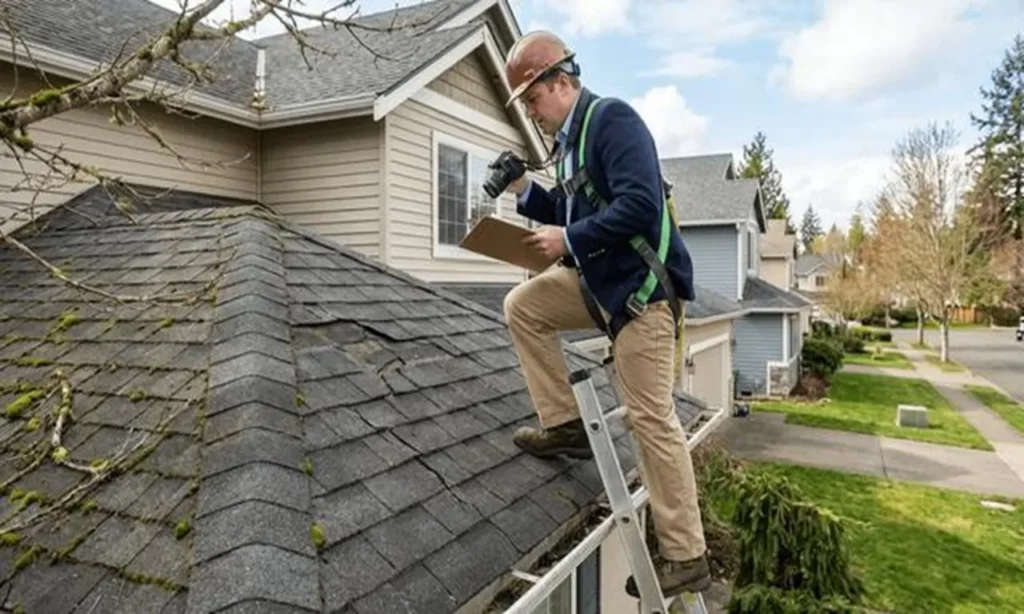
Roof inspections are an essential part of home buying with property inspection support because roofing problems often lead to expensive repairs if overlooked. Inspectors evaluate shingles, flashing, gutters, drainage systems, ventilation, skylights, and signs of leaks or water intrusion. A damaged roof can shorten the home’s lifespan while increasing future maintenance costs. Understanding roof conditions before purchasing helps buyers budget accurately, negotiate repairs, and avoid costly surprises after moving into the property.
Checking Plumbing Systems Before Home Purchase
Plumbing inspections are an important element of home buying with property inspection support because water leaks, pipe corrosion, drainage problems, sewer issues, and water heater failures can significantly affect property value. Inspectors evaluate visible pipes, faucets, drains, fixtures, water pressure, and plumbing connections throughout the home. Identifying plumbing defects before closing allows buyers to estimate repair costs and negotiate with sellers. Thorough plumbing inspections contribute to safer homeownership and long-term financial protection.
Evaluating Electrical Systems For Safety And Compliance
Electrical inspections strengthen home buying with property inspection support by identifying outdated wiring, overloaded circuits, damaged outlets, faulty electrical panels, grounding issues, and potential fire hazards. Inspectors evaluate visible electrical components to ensure they operate safely and meet current standards whenever possible. Understanding electrical conditions helps buyers avoid dangerous situations and expensive repairs after closing. Professional inspections improve household safety while supporting informed purchasing decisions and long-term property reliability.
Inspecting Heating Cooling And Ventilation Systems Carefully
Heating, ventilation, and air conditioning systems receive careful attention during home buying with property inspection support because HVAC equipment significantly affects comfort, energy efficiency, and future maintenance expenses. Inspectors evaluate furnaces, air conditioners, ductwork, thermostats, ventilation systems, and visible operational performance. Identifying worn or malfunctioning equipment before closing allows buyers to negotiate repairs or replacements with sellers. Understanding HVAC conditions supports better budgeting while improving long-term homeowner comfort and energy savings.
Identifying Moisture Problems And Mold Growth Risks
Moisture intrusion and mold growth can create serious health and structural concerns during home buying with property inspection support. Inspectors carefully examine basements, crawl spaces, attics, bathrooms, kitchens, windows, and exterior drainage systems for water damage, leaks, excess humidity, and mold indicators. Detecting moisture problems early prevents expensive structural deterioration and indoor air quality issues. Understanding moisture-related risks allows buyers to make informed purchasing decisions while protecting long-term property value and family health.
Reviewing Windows Doors And Insulation Performance
Windows, doors, and insulation are carefully evaluated during home buying with property inspection support because they affect energy efficiency, security, comfort, and utility costs. Inspectors examine window seals, door alignment, insulation coverage, weather stripping, ventilation, and visible air leaks throughout the home. Identifying deficiencies helps buyers estimate future energy expenses and prioritize necessary improvements. Properly functioning windows and insulation contribute to comfortable living while increasing long-term property efficiency and overall homeowner satisfaction.
Comparing Major Home Inspection Components
Understanding the primary areas covered during home buying with property inspection support helps buyers appreciate the value of a professional inspection before completing a purchase.
| Inspection Area | Purpose |
|---|---|
| Foundation | Structural stability |
| Roof | Leak and damage detection |
| Plumbing | Water system evaluation |
| Electrical System | Safety and compliance |
| HVAC | Heating and cooling performance |
| Insulation | Energy efficiency assessment |
Understanding Home Inspection Reports Clearly
A professional inspection report is one of the most valuable documents in home buying with property inspection support because it summarizes the property’s overall condition, identifies safety concerns, recommends repairs, and highlights maintenance priorities. Buyers should carefully review every section of the report while discussing significant findings with the inspector when necessary. Understanding inspection reports improves negotiation opportunities and helps buyers estimate future maintenance costs. Clear documentation supports confident purchasing decisions while reducing unexpected financial surprises.
Essential Questions To Ask During Property Inspections
Asking informed questions strengthens home buying with property inspection support by helping buyers better understand the property’s condition and future maintenance needs.
- What are the most serious repair concerns?
- Is the roof nearing replacement?
- Are there any structural issues?
- Does the plumbing require repairs?
- Is the electrical system safe?
- Are HVAC systems functioning properly?
- Are there signs of water damage?
- Which repairs should be completed immediately?
Negotiating Repairs After Property Inspection Findings
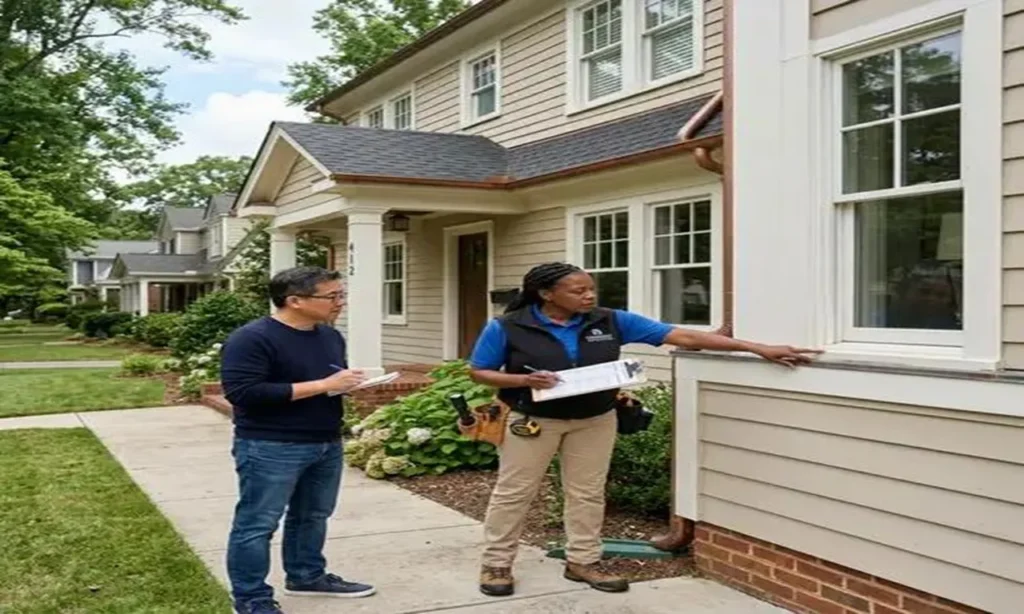
One major benefit of home buying with property inspection support is the ability to negotiate repairs before completing the purchase. Inspection reports provide documented evidence of structural defects, plumbing issues, roofing damage, electrical hazards, or HVAC problems that may require attention. Buyers can request sellers to complete repairs, offer financial credits, or reduce the purchase price. Effective negotiations help minimize unexpected expenses while ensuring the property meets acceptable safety and quality standards before ownership officially transfers.
Understanding Seller Repair Credits And Concessions
Seller concessions are often negotiated during home buying with property inspection support when inspection reports reveal repair needs. Instead of completing repairs before closing, sellers may offer financial credits that allow buyers to address issues after moving in. Buyers should carefully evaluate repair estimates before accepting concessions to ensure the credit covers anticipated expenses. Understanding repair credits strengthens negotiation strategies while providing greater flexibility and financial protection throughout the home-buying process.
Estimating Future Maintenance Costs After Inspection
A detailed inspection supports home buying with property inspection support by helping buyers estimate future maintenance costs beyond immediate repairs. Roof replacement, HVAC servicing, plumbing upgrades, exterior painting, and appliance replacement are examples of future expenses that should be considered before purchasing a home. Planning for long-term maintenance improves budgeting accuracy while reducing financial surprises after closing. Understanding expected maintenance responsibilities supports responsible homeownership and protects long-term property value.
Identifying Safety Hazards Before Completing Home Purchases
Safety evaluations are a vital part of home buying with property inspection support because inspectors identify hazards that could threaten occupants or require immediate correction. Common concerns include faulty wiring, gas leaks, unstable staircases, loose railings, damaged decks, unsafe fireplaces, and inadequate smoke detectors. Detecting these problems before closing allows buyers to negotiate repairs or reconsider the purchase. Addressing safety issues early protects homeowners while improving confidence throughout the buying process.
Evaluating Foundation Stability Before Final Purchase Decisions
Foundation inspections strengthen home buying with property inspection support by identifying settlement, cracking, shifting, water intrusion, and structural movement that may affect long-term property stability. Even minor foundation concerns should be reviewed carefully because repair costs can be substantial. Professional inspectors document visible warning signs and recommend additional evaluations when necessary. Understanding foundation conditions helps buyers make informed investment decisions while protecting their financial interests and ensuring safe residential ownership.
Checking Exterior Features And Property Drainage Systems
Exterior inspections are an important component of home buying with property inspection support because grading, drainage systems, driveways, sidewalks, retaining walls, fences, and exterior finishes influence property durability. Poor drainage can lead to foundation damage, basement flooding, and landscape erosion over time. Inspectors evaluate visible exterior conditions to identify maintenance concerns before closing. Understanding exterior issues helps buyers budget for future repairs while protecting long-term property performance and structural integrity.
Reviewing Attic And Crawl Space Conditions Carefully
Attics and crawl spaces provide valuable information during home buying with property inspection support because hidden moisture, insulation deficiencies, ventilation problems, pests, and structural concerns often originate in these areas. Inspectors evaluate visible framing, insulation, roof decking, ventilation, and evidence of water intrusion or animal activity. Identifying problems early allows buyers to estimate repair costs while preventing more serious structural damage in the future. Careful inspection supports informed purchasing decisions and long-term property preservation.
Understanding Pest And Termite Inspection Importance
Pest inspections complement home buying with property inspection support by identifying termites, carpenter ants, rodents, and other infestations that may compromise structural integrity or create costly repair needs. While general home inspections identify visible concerns, specialized pest inspections provide additional protection against hidden damage. Buyers should understand local pest risks and request separate evaluations when appropriate. Detecting infestations before closing protects investments while reducing unexpected maintenance costs and preserving long-term property value.
Reviewing Home Inspection Contingency Clauses Carefully
Inspection contingencies are valuable protections within home buying with property inspection support because they allow buyers to negotiate repairs, request credits, or cancel contracts if significant defects are discovered. Buyers should understand inspection deadlines, contract requirements, and negotiation procedures before signing purchase agreements. Properly written contingencies reduce financial risks while providing flexibility during the transaction. Understanding these legal protections strengthens buyer confidence and supports informed real estate purchasing decisions.
Comparing Specialized Property Inspection Services Available
Some properties require additional inspections beyond the standard evaluation, making specialized services an important part of home buying with property inspection support.
| Inspection Type | Purpose |
|---|---|
| Termite Inspection | Detect wood-destroying insects |
| Mold Inspection | Identify indoor mold growth |
| Radon Testing | Measure harmful gas levels |
| Sewer Scope | Inspect underground sewer lines |
| Chimney Inspection | Evaluate fireplace safety |
| Pool Inspection | Assess pool equipment and safety |
Preparing Financially For Necessary Property Repairs
Preparing for repair expenses strengthens home buying with property inspection support because not every issue discovered during an inspection will be corrected before closing. Buyers should estimate repair costs, maintain emergency savings, and prioritize safety-related improvements after purchasing the home. Financial preparation reduces stress while preventing unexpected borrowing for urgent maintenance. Careful budgeting supports responsible homeownership and helps buyers manage repair responsibilities without disrupting long-term financial stability.
Working With Contractors After Inspection Reports
Professional contractors play an important role in home buying with property inspection support by providing repair estimates and evaluating issues identified during inspections. Buyers should obtain multiple quotes for significant repairs before negotiating with sellers or finalizing purchase decisions. Qualified contractors help determine repair urgency, expected costs, and appropriate solutions. Using professional evaluations strengthens negotiation strategies while ensuring buyers understand the financial impact of inspection findings before closing.
Using Inspection Reports For Better Purchase Negotiations
Inspection reports provide powerful negotiation tools during home buying with property inspection support because documented defects allow buyers to request repairs, seller credits, or purchase price reductions. Well-prepared buyers use inspection findings objectively while focusing on significant structural, mechanical, and safety concerns. Professional negotiation supported by inspection evidence often results in fair agreements that benefit both parties. Understanding negotiation strategies improves purchasing confidence while reducing unexpected repair expenses after closing.
Comparing Repair Priorities After Home Inspection Findings
Not every inspection issue requires immediate attention, making prioritization essential during home buying with property inspection support.
| Priority Level | Examples |
|---|---|
| Immediate | Structural damage, electrical hazards |
| High | Roof leaks, plumbing failures |
| Moderate | HVAC maintenance, insulation upgrades |
| Routine | Painting, minor cosmetic repairs |
| Preventive | Gutter cleaning, sealing cracks |
| Future | Appliance replacement planning |
Avoiding Common Property Inspection Mistakes Before Closing
Many buyers reduce the benefits of home buying with property inspection support by making avoidable mistakes during the inspection process.
- Skipping the inspection entirely
- Hiring inexperienced inspectors
- Ignoring inspection reports
- Missing inspection deadlines
- Overlooking safety concerns
- Failing to negotiate repairs
- Ignoring future maintenance costs
- Not attending the inspection
Understanding Home Warranty Options After Inspection
Home warranties can complement home buying with property inspection support by providing limited coverage for eligible appliances and major home systems after closing. Buyers should compare warranty providers, coverage limits, exclusions, service fees, and contract terms before purchasing protection. Although warranties do not replace inspections, they may reduce repair costs for unexpected equipment failures. Understanding warranty options supports better financial planning while increasing confidence after becoming a homeowner.
Planning Long-Term Home Maintenance After Purchase
A successful home buying with property inspection support strategy extends beyond closing because regular maintenance preserves property value and reduces expensive future repairs. Buyers should develop maintenance schedules for roofing, HVAC systems, plumbing, electrical equipment, landscaping, and exterior surfaces. Preventive maintenance extends the lifespan of home systems while protecting investments. Long-term planning helps homeowners avoid major repair costs and maintain comfortable, safe living conditions throughout property ownership.
Building Buyer Confidence Through Professional Inspections
Professional evaluations strengthen home buying with property inspection support by giving buyers reliable information about property condition before making one of life’s largest financial investments. Inspection reports reduce uncertainty, improve negotiations, and help buyers prepare realistic repair budgets. Understanding the true condition of a home allows purchasers to make informed decisions with greater confidence. Comprehensive inspections protect financial interests while supporting successful, secure, and satisfying homeownership experiences.
Creating A Comprehensive Property Inspection Checklist
Developing a detailed checklist improves home buying with property inspection support by ensuring buyers review every major component before closing.
- Foundation condition
- Roofing system
- Plumbing network
- Electrical components
- HVAC equipment
- Windows and doors
- Insulation quality
- Exterior drainage system
Making Smart Home Buying Decisions With Inspection Support
Understanding home buying with property inspection support empowers buyers to identify hidden defects, negotiate repairs, estimate maintenance costs, and protect their financial investment before completing a purchase. Professional inspections provide detailed information that supports informed decisions while reducing the risk of expensive surprises after closing. Buyers who combine thorough inspections with careful financial planning, contractor consultations, and effective negotiations are more likely to enjoy successful homeownership, long-term property value, and greater peace of mind.
Reviewing Final Inspection Reports Before Closing Day
Before completing a property purchase, buyers should carefully review the final inspection report as part of home buying with property inspection support. Every recommendation, repair item, safety concern, and maintenance suggestion should be understood before signing closing documents. Buyers should verify that agreed-upon repairs have been completed and request receipts or supporting documentation whenever necessary. Thoroughly reviewing the final inspection report minimizes misunderstandings, strengthens buyer confidence, and ensures the property meets expected standards before legal ownership officially transfers to the new homeowner.
Conducting A Final Walkthrough Before Home Closing
A final walkthrough is an important step in home buying with property inspection support because it confirms that the property’s condition has not changed since the inspection. Buyers should verify completed repairs, test appliances, inspect plumbing fixtures, examine electrical systems, and ensure the seller has fulfilled contractual obligations. Any unresolved issues should be addressed before closing. Performing a careful walkthrough provides additional protection while helping buyers avoid unexpected problems immediately after taking possession of the home.
Understanding Inspection Limitations And Professional Responsibilities
Although home buying with property inspection support provides valuable information, buyers should understand that inspections have limitations. Inspectors evaluate only visible and accessible components and cannot predict future equipment failures or inspect hidden structural areas. Specialized inspections may be necessary for mold, asbestos, septic systems, wells, or underground utilities. Understanding these professional limitations helps buyers maintain realistic expectations while recognizing the importance of additional evaluations whenever unusual concerns or property conditions require expert investigation.
Keeping Inspection Records For Future Home Maintenance
Maintaining organized inspection records is a smart practice during home buying with property inspection support because these documents become valuable references throughout homeownership. Inspection reports, repair receipts, warranties, maintenance recommendations, and contractor invoices help homeowners schedule future repairs and monitor property conditions over time. Organized documentation also supports future resale transactions by demonstrating responsible property maintenance. Keeping complete records strengthens long-term financial planning while preserving property value and simplifying future maintenance decisions.
Using Inspection Findings To Plan Future Renovations
Inspection reports provide valuable guidance during home buying with property inspection support by identifying areas suitable for future renovations and improvements. Buyers can prioritize kitchen upgrades, bathroom remodeling, insulation improvements, roofing replacements, energy-efficient windows, or landscaping projects based on inspection recommendations. Planning renovations using professional inspection findings helps homeowners allocate budgets wisely while avoiding unnecessary expenses. Strategic improvement planning increases property value, enhances living comfort, and supports long-term real estate investment success.
Comparing Property Inspection Benefits For Homebuyers
Understanding the advantages of home buying with property inspection support helps buyers recognize why professional inspections are one of the most valuable investments before purchasing a home.
| Inspection Benefit | Buyer Advantage |
|---|---|
| Hidden Defect Detection | Prevents costly surprises |
| Repair Negotiation | Reduces purchase expenses |
| Safety Evaluation | Protects occupants |
| Maintenance Planning | Improves budgeting |
| Property Assessment | Supports informed decisions |
| Investment Protection | Preserves long-term value |
Essential Maintenance Priorities After Home Purchase
Following inspection recommendations strengthens home buying with property inspection support by helping homeowners address important maintenance tasks after moving into the property.
- Repair identified safety hazards
- Service HVAC equipment
- Inspect roofing annually
- Check plumbing for leaks
- Test smoke and carbon monoxide detectors
- Seal exterior cracks and gaps
- Clean gutters regularly
- Maintain proper drainage around the foundation
Choosing Reliable Contractors For Future Home Repairs
Selecting experienced contractors is an important part of home buying with property inspection support because qualified professionals perform repairs correctly while protecting long-term property value. Buyers should compare contractor licenses, insurance, customer reviews, project experience, warranties, and written estimates before hiring anyone. Working with reputable contractors improves repair quality, reduces future maintenance problems, and ensures inspection recommendations are completed according to professional standards. Careful contractor selection supports responsible homeownership and protects valuable real estate investments.
Avoiding Costly Homeownership Problems Through Regular Inspections
Property inspections should continue after purchase because ongoing evaluations complement home buying with property inspection support and help homeowners detect developing issues before they become major repairs. Regular inspections of roofing, plumbing, HVAC systems, electrical components, and foundations improve preventive maintenance while reducing long-term ownership costs. Routine evaluations preserve property value, increase household safety, and extend the lifespan of major home systems. Preventive inspections support financially responsible and stress-free homeownership for many years.
Mastering Home Buying With Property Inspection Support Successfully
Understanding home buying with property inspection support empowers buyers to evaluate property conditions, identify hidden defects, negotiate repairs, estimate maintenance costs, and make confident purchasing decisions. Professional inspections reduce financial uncertainty while providing valuable information about structural integrity, safety, mechanical systems, and future maintenance needs. Buyers who carefully review inspection reports, consult qualified professionals, maintain organized records, and plan preventive maintenance enjoy stronger investment protection and greater confidence throughout the home-buying process. Comprehensive inspection support creates safer homeownership, protects financial resources, and contributes to lasting residential satisfaction.
FAQs
What is property inspection support during home buying?
- Property inspection support involves professional evaluations that identify defects, safety concerns, and maintenance issues before purchasing a home.
Should every home buyer get a property inspection?
- Yes. Professional inspections help buyers understand the property’s condition and avoid unexpected repair expenses.
Can buyers negotiate after an inspection?
- Yes. Buyers can request repairs, seller credits, or price reductions based on inspection findings.
How long does a home inspection usually take?
- Most residential inspections take between 2 and 4 hours, depending on the property’s size and condition.
Does a home inspection guarantee a perfect house?
- No. Inspections evaluate visible and accessible areas but cannot guarantee future performance or identify every hidden defect.
Should buyers attend the home inspection?
- Yes. Attending allows buyers to ask questions, understand inspection findings, and learn about future maintenance needs.
What happens if major defects are discovered?
- Buyers may negotiate repairs, request financial concessions, or withdraw from the transaction if protected by an inspection contingency.
Conclusion
Home buying with property inspection support is one of the most valuable safeguards available to homebuyers because it provides a clear understanding of a property’s true condition before closing. Professional inspections identify structural concerns, roofing defects, plumbing issues, electrical hazards, HVAC problems, and maintenance needs that may otherwise remain hidden. Buyers who carefully review inspection reports, negotiate necessary repairs, budget for future maintenance, and work with qualified professionals make more informed purchasing decisions with greater confidence. Whether purchasing a first home or expanding a real estate portfolio, comprehensive inspection support reduces financial risks, protects long-term investments, and creates a safer, more rewarding homeownership experience for years to come.