

Introduction
New construction home buying offers an exciting opportunity to own a modern, energy-efficient property built with the latest materials, technology, and design standards. Whether you are purchasing your first home, upgrading your living space, or investing in real estate, buying a newly built home requires careful planning and informed decision-making. From selecting the right builder and community to understanding warranties, financing options, and construction timelines, every step plays an important role in protecting your investment. Learning the fundamentals of new construction home buying helps buyers avoid costly mistakes, negotiate better terms, and confidently purchase a home that provides long-term comfort, value, and financial security.
Understanding New Construction Home Buying Process Completely
The new construction home buying process differs significantly from purchasing an existing property because buyers often work directly with builders instead of traditional homeowners. This journey includes selecting a community, choosing a floor plan, reviewing builder contracts, obtaining financing, monitoring construction progress, and completing final inspections before closing. Understanding each stage helps buyers prepare financially while reducing unexpected challenges. A structured approach ensures smoother transactions, stronger investment protection, and greater confidence throughout the entire home-buying experience.
Benefits Of Purchasing Newly Built Residential Properties Today
Choosing new construction home buying provides numerous advantages including modern floor plans, energy-efficient systems, advanced smart home technology, lower maintenance expenses, and builder warranties. Newly constructed homes typically require fewer immediate repairs compared to older properties while offering improved building materials and updated safety standards. Buyers also enjoy customization opportunities during construction. Understanding these benefits helps families make informed purchasing decisions while maximizing long-term property value, comfort, and overall homeowner satisfaction.
Choosing The Right Home Builder Carefully First
Selecting a reputable builder is one of the most important decisions during new construction home buying because construction quality directly impacts long-term homeownership. Buyers should evaluate builder experience, customer reviews, completed communities, financial stability, warranty coverage, and overall reputation before signing contracts. Visiting completed projects and speaking with previous homeowners provides valuable insights into workmanship and customer service. Careful builder selection reduces future problems while protecting your financial investment and ensuring a quality-built home.
Selecting The Best Community For Your Family Needs
Community selection plays a vital role in new construction home buying because neighborhood quality affects daily living, resale value, and long-term investment potential. Buyers should compare schools, transportation, healthcare facilities, shopping centers, recreational parks, future development plans, and overall community safety before making decisions. Evaluating neighborhood amenities ensures the location supports both current lifestyle preferences and future family needs. Careful community selection contributes to stronger property appreciation and lasting homeowner satisfaction.
Understanding Floor Plans And Home Layout Options
One of the greatest advantages of new construction home buying is choosing a floor plan that matches your family’s lifestyle and future requirements. Buyers should evaluate bedroom configurations, living spaces, storage capacity, kitchen layouts, office areas, outdoor spaces, and expansion possibilities before making final selections. Practical floor plans improve everyday convenience while increasing long-term functionality. Understanding layout options helps buyers choose homes that remain comfortable and valuable for many years.
Budget Planning Before Purchasing New Construction Homes
Financial preparation remains essential during new construction home buying because buyers must consider more than just the purchase price. Down payments, closing costs, upgrades, moving expenses, homeowners insurance, property taxes, landscaping, and utility connections all contribute to total ownership costs. Establishing a realistic budget before construction begins prevents financial stress while supporting responsible purchasing decisions. Careful financial planning strengthens long-term affordability and protects valuable real estate investments.
Obtaining Mortgage Preapproval Before Builder Consultations Successfully
Mortgage preapproval provides buyers with a competitive advantage during new construction home buying because builders prefer financially qualified purchasers. Preapproval establishes borrowing limits, demonstrates purchasing readiness, and simplifies negotiations with builders and lenders. Buyers also gain a clearer understanding of monthly payment expectations before selecting homes or upgrades. Early financing preparation reduces transaction delays while improving confidence throughout the construction and closing process.
Understanding Builder Contracts Before Signing Agreements Carefully
Builder contracts used during new construction home buying often contain terms that differ from traditional real estate purchase agreements. Buyers should carefully review pricing structures, construction timelines, warranty coverage, cancellation clauses, financing requirements, and upgrade policies before signing. Consulting a qualified real estate attorney or experienced agent helps clarify complex contract language. Understanding builder agreements protects buyers from unexpected obligations while ensuring smoother transactions and greater legal security.
Comparing Builder Incentives And Promotional Offers Wisely
Many builders attract buyers during new construction home buying by offering incentives that reduce overall purchasing expenses or improve property value.
- Closing cost assistance
- Free design upgrades
- Discounted interest rates
- Appliance packages
- Landscaping allowances
- Smart home features
- Extended warranty programs
- Flexible financing incentives
Selecting High Value Home Upgrades Strategically Today
During new construction home buying, buyers often have opportunities to personalize their homes through optional upgrades. While customization improves comfort, selecting upgrades strategically prevents overspending. Buyers should prioritize structural improvements, energy-efficient systems, premium flooring, kitchen cabinets, and electrical enhancements before cosmetic additions. Permanent upgrades typically provide stronger long-term value than decorative features. Careful upgrade planning maximizes investment returns while improving future resale opportunities and homeowner satisfaction.
Understanding Construction Timelines And Project Completion Expectations
Construction schedules play an important role in new construction home buying because weather conditions, labor availability, material shortages, and permit approvals may influence completion dates. Buyers should communicate regularly with builders while monitoring construction milestones throughout the project. Understanding realistic timelines reduces frustration and allows families to prepare moving schedules effectively. Proper planning helps minimize delays while supporting smoother transitions into newly completed homes.
Importance Of Professional Home Inspections Before Closing
Although newly built properties are brand new, professional inspections remain essential during new construction home buying because construction errors can still occur. Independent inspectors evaluate structural components, electrical systems, plumbing, HVAC equipment, roofing, insulation, and overall workmanship before final closing. Inspection reports identify defects requiring builder correction before ownership transfers. Thorough inspections protect buyers from future repair costs while ensuring construction quality meets acceptable industry standards.
Energy Efficient Features Reducing Long Term Ownership Costs
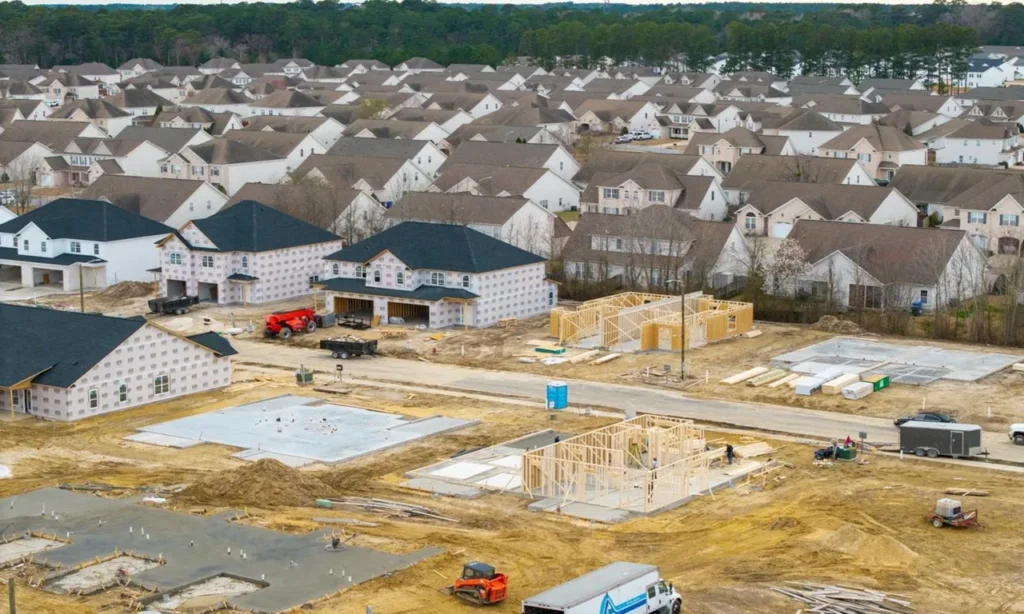
Modern new construction home buying offers access to advanced energy-efficient technologies that reduce monthly utility expenses while improving environmental sustainability. High-efficiency HVAC systems, upgraded insulation, energy-efficient windows, LED lighting, smart thermostats, solar-ready designs, and Energy Star appliances contribute to lower operating costs. Buyers who prioritize energy efficiency enjoy long-term financial savings while increasing overall property value. Understanding these features supports smarter investment decisions and responsible homeownership.
Smart Home Technology Improving Modern Residential Living Experiences
One of the biggest advantages of new construction home buying is access to integrated smart home technology designed for convenience, efficiency, and security. Modern homes frequently include smart door locks, security cameras, video doorbells, automated lighting, smart thermostats, voice-controlled systems, and advanced internet connectivity. These technologies simplify daily living while improving energy management and home security. Understanding available smart home features helps buyers select properties that support modern lifestyles and future technological advancements.
Working With Experienced Real Estate Professionals Successfully
Even during new construction home buying, experienced real estate professionals provide valuable guidance throughout the purchasing process. Buyer’s agents help negotiate builder contracts, explain pricing structures, review upgrade costs, coordinate inspections, monitor construction progress, and protect client interests during negotiations. Professional representation helps buyers avoid costly mistakes while ensuring every stage of the transaction proceeds smoothly. Working with knowledgeable real estate experts increases purchasing confidence, strengthens financial protection, and contributes to a successful new home investment.
Comparing New Construction And Existing Homes Carefully
Choosing between a newly built home and a resale property is one of the biggest decisions during new construction home buying. New homes offer modern designs, energy-efficient systems, builder warranties, and fewer maintenance concerns, while existing homes may provide established neighborhoods and mature landscaping. Buyers should compare long-term ownership costs, appreciation potential, renovation needs, and lifestyle preferences before deciding. Understanding these differences helps families purchase homes that best support their financial goals and future living requirements.
Understanding Builder Warranties And Coverage Protection Clearly
Builder warranties provide valuable protection during new construction home buying by covering structural components, workmanship, mechanical systems, plumbing, electrical installations, and major construction defects for specified periods. Buyers should carefully review warranty terms, exclusions, claim procedures, and coverage durations before closing. Understanding warranty protection reduces future repair expenses while providing peace of mind after moving into the new home. Comprehensive warranty knowledge strengthens buyer confidence and protects long-term investments.
Selecting The Best Lot Location Within Communities
Lot selection is a crucial step in new construction home buying because the property’s location within the neighborhood affects privacy, resale value, sunlight exposure, traffic levels, and future appreciation. Buyers should compare corner lots, cul-de-sac locations, greenbelt views, nearby amenities, and future development plans before making final decisions. Choosing the right lot improves long-term comfort while maximizing property value. Careful evaluation supports stronger financial returns and greater homeowner satisfaction.
Understanding Property Taxes For Newly Built Homes
Property taxes remain an important financial consideration during new construction home buying because newly constructed homes may receive reassessments after completion. Buyers should understand local tax rates, estimated assessments, exemptions, annual payment schedules, and potential increases before purchasing. Proper tax planning prevents unexpected financial obligations while helping homeowners create accurate long-term budgets. Understanding tax responsibilities strengthens affordability and supports responsible residential property ownership.
Reviewing Homeowners Association Rules Before Closing Carefully
Many new communities operate under homeowners associations that establish maintenance standards and neighborhood regulations. During new construction home buying, buyers should review HOA fees, architectural restrictions, landscaping requirements, parking regulations, pet policies, and community amenities before closing. Understanding association rules helps homeowners avoid future conflicts while ensuring the community matches their lifestyle expectations. Careful review supports informed purchasing decisions and long-term residential satisfaction.
Preparing For Final Walkthrough Before Home Closing
The final walkthrough is one of the most important steps in new construction home buying because it allows buyers to verify that agreed repairs, upgrades, and installations have been completed correctly. Buyers should inspect flooring, appliances, electrical systems, plumbing fixtures, windows, doors, paint finishes, and overall workmanship before accepting possession. Careful walkthroughs help identify remaining issues while ensuring builders resolve deficiencies before closing. Thorough inspections protect buyers and improve overall satisfaction.
Understanding Closing Costs Before Home Purchase Completion
Closing costs represent an important financial responsibility during new construction home buying and should never be overlooked. Buyers should budget for lender fees, title insurance, recording fees, appraisal charges, attorney costs, prepaid taxes, homeowners insurance, and escrow deposits. Understanding every closing expense prevents unexpected financial surprises while supporting responsible budgeting. Careful preparation strengthens purchasing confidence and ensures smoother transactions from contract signing through final ownership transfer.
Choosing Energy Efficient Appliances And Home Systems
Energy-efficient appliances and home systems significantly improve the value of new construction home buying by lowering monthly utility costs and increasing long-term sustainability.
| Energy Feature | Primary Benefit |
|---|---|
| Energy Star Appliances | Lower electricity consumption |
| High-Efficiency HVAC | Reduced heating and cooling costs |
| LED Lighting | Longer lifespan and lower bills |
| Smart Thermostat | Improved energy management |
| Double-Pane Windows | Better insulation efficiency |
| Enhanced Insulation | Greater indoor comfort |
Managing Construction Delays Without Financial Stress Successfully
Unexpected construction delays occasionally occur during new construction home buying because of weather conditions, labor shortages, permit approvals, or material supply challenges. Buyers should maintain regular communication with builders while preparing flexible moving schedules and financial contingency plans. Understanding potential delays reduces frustration while allowing families to adjust expectations appropriately. Careful planning ensures smoother transitions into completed homes while protecting financial stability throughout the construction process.
Financing Options Available For New Construction Buyers
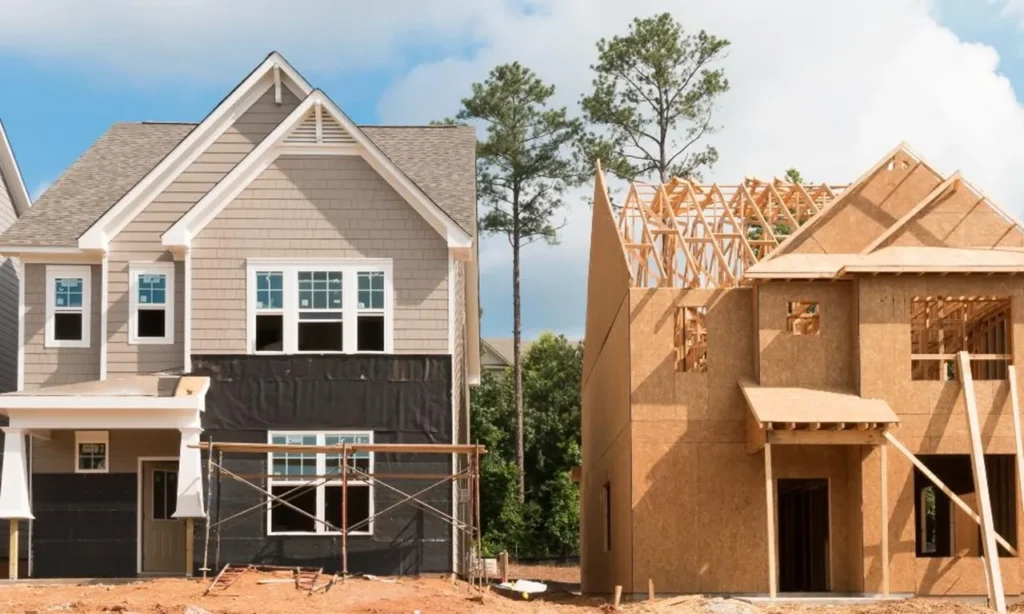
Several financing solutions support successful new construction home buying, including conventional mortgages, FHA loans, VA loans, USDA financing, construction-to-permanent loans, jumbo mortgages, and builder-preferred lending programs. Buyers should compare interest rates, qualification requirements, loan terms, and closing costs before selecting financing. Understanding available mortgage options helps buyers secure affordable monthly payments while maximizing long-term financial stability and successful homeownership.
Avoiding Common Mistakes During Construction Home Purchases
Many buyers unintentionally create challenges during new construction home buying by overlooking important planning steps before closing.
- Skipping builder research
- Ignoring independent inspections
- Choosing excessive upgrades
- Overlooking warranty details
- Ignoring HOA regulations
- Failing budget planning
- Delaying mortgage approval
- Rushing final walkthrough
Importance Of Independent Real Estate Agent Representation
Many buyers mistakenly believe they do not need representation during new construction home buying because builders have on-site sales consultants. However, builder representatives primarily protect the builder’s interests rather than the buyer’s. Independent buyer’s agents negotiate pricing, review contracts, explain upgrade costs, coordinate inspections, and protect client rights throughout the transaction. Professional representation helps buyers avoid costly mistakes while improving negotiation outcomes and financial protection.
Understanding Future Community Development Plans Carefully
Before completing new construction home buying, buyers should review future development plans affecting the surrounding neighborhood. Planned schools, parks, shopping centers, highways, commercial projects, and recreational facilities may significantly influence future property appreciation. Understanding community expansion provides valuable investment insights while helping buyers anticipate neighborhood growth. Careful evaluation supports smarter purchasing decisions and stronger long-term financial returns through strategic residential investments.
Planning Landscaping After Moving Into New Homes
Many newly built homes require buyers to complete landscaping after construction. During new construction home buying, homeowners should budget for lawns, irrigation systems, trees, fencing, outdoor lighting, patios, and garden improvements. Thoughtful landscaping enhances curb appeal while increasing property value and outdoor enjoyment. Proper planning ensures attractive exterior spaces while supporting stronger long-term appreciation and improved homeowner satisfaction.
Protecting Your Investment Through Homeowners Insurance Coverage
Homeowners insurance is an essential part of new construction home buying because it protects the property against fire, storms, theft, liability claims, and other unexpected events. Buyers should compare insurance providers, coverage options, deductibles, replacement costs, and policy exclusions before closing. Comprehensive insurance protects valuable investments while providing financial security throughout homeownership. Understanding insurance requirements helps buyers select policies offering reliable long-term protection.
Building Long-Term Equity Through Smart Homeownership Decisions
Purchasing through new construction home buying creates opportunities to build long-term equity as mortgage balances decrease and property values appreciate over time. Consistent mortgage payments, responsible maintenance, strategic upgrades, and neighborhood appreciation all contribute to increasing homeowner wealth. Understanding equity-building strategies encourages responsible financial planning while strengthening long-term investment performance and overall household financial security.
Comparing Multiple Builders Before Making Final Decisions
Choosing the best builder requires evaluating multiple companies before beginning new construction home buying.
| Comparison Factor | Buyer Advantage |
|---|---|
| Builder Reputation | Greater confidence |
| Warranty Coverage | Better long-term protection |
| Construction Quality | Fewer future repairs |
| Customer Reviews | Proven satisfaction |
| Community Locations | Better investment opportunities |
| Upgrade Flexibility | More customization options |
Maintaining Your Newly Built Home Properly Always
Proper maintenance remains important after new construction home buying to preserve property value and extend the lifespan of home systems. Homeowners should inspect roofing, HVAC equipment, plumbing fixtures, exterior finishes, gutters, landscaping, and smart home systems regularly. Preventive maintenance reduces repair costs while protecting builder warranties. Routine care helps homeowners preserve long-term investment value while maintaining comfortable and efficient living conditions.
Preparing Financially For Long-Term Homeownership Responsibilities
Owning a new home involves ongoing financial commitments beyond mortgage payments. During new construction home buying, buyers should prepare for maintenance, insurance, utilities, taxes, landscaping, emergency repairs, and future renovations. Building an emergency savings fund provides financial security while reducing stress during unexpected situations. Responsible financial planning supports successful homeownership and long-term investment stability throughout every stage of property ownership.
Making Confident New Construction Home Buying Decisions Successfully
Successful new construction home buying requires careful planning, financial preparation, builder research, contract review, professional inspections, and informed decision-making. Buyers who compare builders, understand warranties, evaluate neighborhoods, monitor construction quality, and prepare for long-term ownership responsibilities are more likely to achieve lasting satisfaction. Taking a strategic approach protects valuable investments while creating comfortable living environments, stronger financial security, and long-term success through modern residential homeownership.
Understanding Property Tax Responsibilities Before Homeownership
Property taxes remain an important financial obligation after new construction home buying because annual assessments directly affect long-term affordability. Buyers should understand local tax rates, reassessment schedules, available exemptions, and future increases before completing their purchase. Some newly built homes receive updated assessments after construction is finished, resulting in higher annual taxes than initially estimated. Proper tax planning allows homeowners to prepare realistic budgets while avoiding unexpected financial challenges and protecting their long-term investment.
Reviewing Legal Documents Before Final Closing Carefully
Every buyer involved in new construction home buying should carefully review all legal documents before closing. Purchase agreements, warranty certificates, title reports, financing disclosures, builder contracts, homeowners association documents, and inspection reports contain important information affecting ownership rights and responsibilities. Consulting experienced real estate professionals or legal advisors helps buyers fully understand contractual obligations before signing. Careful document review reduces legal risks while protecting financial investments and ensuring smoother property ownership transfers.
Managing Long-Term Homeownership Expenses Successfully Always
Owning a newly built home requires ongoing financial planning beyond the purchase price. During new construction home buying, buyers should prepare for recurring ownership expenses that support long-term financial stability.
- Property taxes
- Homeowners insurance
- Utility bills
- Routine maintenance
- Landscaping expenses
- HOA membership fees
- Emergency repair savings
- Future renovation costs
Benefits Of Purchasing Newly Built Energy Efficient Homes
One of the greatest advantages of new construction home buying is owning a home designed with modern energy-efficient technologies that reduce long-term operating expenses. Advanced insulation, high-performance windows, Energy Star appliances, efficient HVAC systems, smart thermostats, and LED lighting contribute to lower utility bills and greater indoor comfort. Buyers also benefit from environmentally responsible construction practices that increase property value. Understanding these benefits helps homeowners maximize financial savings while supporting sustainable living.
Technology Transforming Modern New Home Buying Experiences
Technology continues improving new construction home buying through virtual home tours, online design studios, artificial intelligence property recommendations, electronic signatures, construction progress tracking, digital document management, and smart home integration. These innovations simplify communication while providing buyers with greater transparency throughout the construction process. Understanding modern technology allows homeowners to make informed decisions while enjoying faster, more convenient, and secure home-buying experiences from contract signing through final closing.

Future Trends Shaping Residential Construction Industry Growth
The future of new construction home buying continues evolving through advanced building materials, artificial intelligence, smart energy management, sustainable construction practices, modular home technology, and environmentally friendly community planning. Builders increasingly focus on energy efficiency, automation, and resilient construction methods to meet changing homeowner expectations. Understanding future housing trends helps buyers invest in properties designed for long-term value, modern living, and stronger financial appreciation in competitive real estate markets.
Building Long-Term Wealth Through New Home Ownership
Successful new construction home buying creates long-term financial opportunities through property appreciation, equity growth, reduced maintenance expenses, and improved resale value. Newly built homes often require fewer repairs during the first several years, allowing homeowners to focus on building equity through consistent mortgage payments. Strategic purchasing decisions, responsible financial planning, and careful property maintenance contribute to lasting wealth creation. Understanding these principles encourages buyers to view homeownership as both a lifestyle improvement and a valuable long-term investment.
Avoiding Common New Construction Buying Mistakes Today
Many buyers unintentionally reduce the success of new construction home buying by making preventable mistakes before closing.
- Skipping independent inspections
- Ignoring builder reputation
- Choosing unnecessary upgrades
- Overlooking warranty coverage
- Ignoring long-term ownership costs
- Skipping contract review
- Underestimating closing expenses
- Rushing final walkthrough
Protecting Your Investment After Moving Into Home
After completing new construction home buying, homeowners should protect their investment through routine maintenance, warranty documentation, scheduled inspections, homeowners insurance, and preventive repairs. Maintaining HVAC systems, roofing, plumbing, electrical equipment, landscaping, and smart home technologies helps preserve property value while reducing future repair costs. Proper care extends the lifespan of major home components while supporting long-term appreciation and homeowner satisfaction. Responsible maintenance ensures lasting comfort and financial security throughout homeownership.
Making Successful New Construction Home Buying Decisions Confidently
Successful new construction home buying depends on careful financial planning, builder research, professional guidance, contract review, independent inspections, and long-term investment planning. Buyers who compare builders, evaluate communities, understand financing options, and prepare for ongoing ownership responsibilities typically experience smoother transactions and stronger financial outcomes. Making informed decisions protects valuable investments while maximizing property appreciation, homeowner satisfaction, and long-term financial stability. Careful preparation creates lasting confidence throughout every stage of purchasing and owning a newly constructed home.
FAQs
What is new construction home buying?
- New construction home buying involves purchasing a newly built home directly from a builder or developer before or after construction is completed.
Should I hire a real estate agent for new construction?
- Yes. A buyer’s agent helps negotiate contracts, review builder agreements, and protect your interests throughout the purchase.
Do newly built homes still need inspections?
- Yes. Independent inspections help identify construction defects before closing, even in brand-new homes.
Can I customize a new construction home?
- Yes. Most builders allow buyers to select floor plans, finishes, fixtures, appliances, and design upgrades.
Are builder warranties included with new homes?
- Most builders provide warranties covering structural components, workmanship, and major systems for specific periods.
How long does new construction usually take?
- Construction timelines vary but generally range from several months to over a year depending on the project and builder.
Is buying a new construction home a good investment?
- Yes. Newly built homes often provide strong appreciation, lower maintenance costs, modern features, and excellent long-term value.
Conclusion
New construction home buying offers buyers the opportunity to own a modern, energy-efficient home designed with today’s building standards, advanced technology, and customizable features. By selecting a reputable builder, understanding financing options, reviewing contracts carefully, completing independent inspections, and planning for long-term ownership costs, buyers can reduce financial risks while maximizing their investment. Careful preparation also helps homeowners enjoy greater comfort, lower maintenance expenses, and stronger property appreciation over time. Whether purchasing your first home or upgrading to a larger residence, informed decision-making creates a smoother buying experience and supports lasting financial security through successful new home ownership.